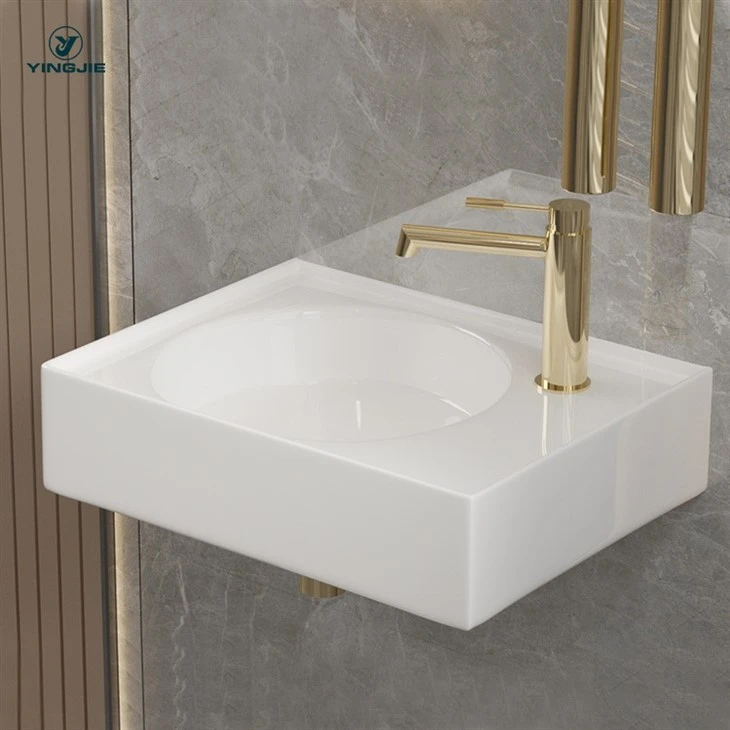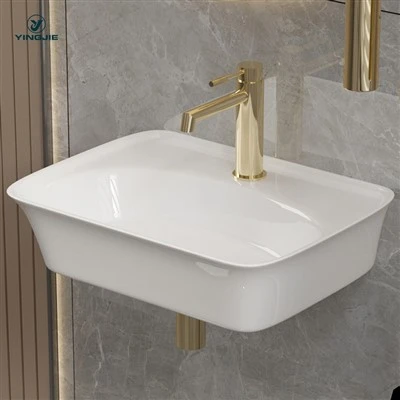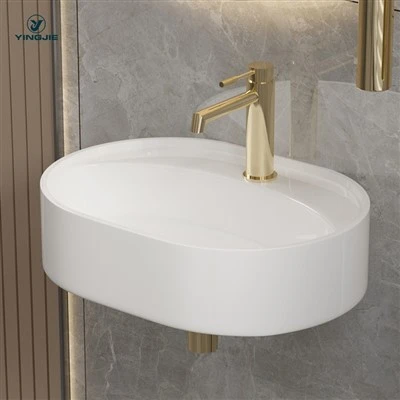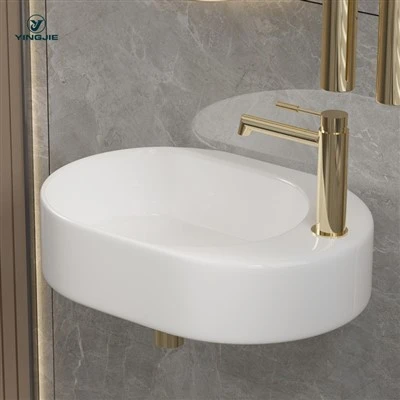

In high-traffic commercial and public restrooms, electronic urinal flush failures are overwhelmingly caused by ambient humidity, caustic cleaning chemical ingress, and sub-par electronic potting. Engineering true institutional reliability requires full IP67 hermetic enclosure sealing and micro-power bistable solenoid driver architecture.
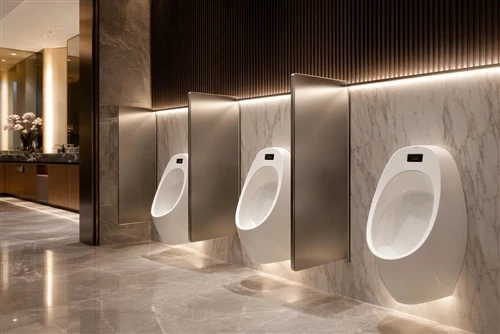
Figure 1: High-end commercial wall-mounted ceramic sensor urinals in an institutional airport restroom installation.
1. Hermetic Resin Potting vs. Gasketed Enclosures
Commercial restrooms present a corrosive environment characterized by continuous relative humidity (RH 80-95%) and volatile cleaning vapors containing chlorine, ammonia, and hydrochloric acid. Conventional rubber-gasketed enclosures suffer elastomer degradation and capillary moisture migration over 12-18 months. Full vacuum-degassed polyurethane potting completely embeds the PCB, quartz crystal, and soldered terminals into a solid monolithic block, preventing dendrite growth and moisture-induced parasitic current leaks.
| Engineering Parameter | Standard Commercial Module | Yingjie Heavy-Duty IP67 Potting Module |
|---|---|---|
| Ingress Protection Rating | IP54 (Splash-resistant only) | IP67 (100% dust-tight, immersion to 1.0 m) |
| Potting Encapsulation Compound | Unfilled cavity or silicone gel dab | High-thermal polyurethane resin potting |
| Solenoid Coil Energy Consumption | 1.2 W continuous hold current | 15 ms bistable pulse (Zero static holding draw) |
| Battery Operating Lifespan | 60,000 - 100,000 cycles (6-12 mos) | 500,000+ cycles (3-5 years on 4x AA lithium) |
| Optical Ambient Light Rejection | Susceptible to mirror / LED glare | Modulated 940 nm infrared carrier pulse filter |
| Operating Temperature Range | 0 deg C to +40 deg C | -15 deg C to +60 deg C (Wide climate tolerance) |
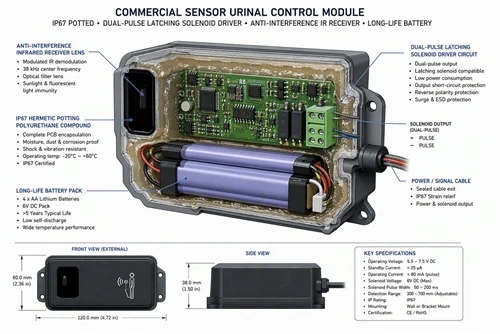
Figure 2: 3D CAD cutaway of an IP67 polyurethane potted electronic control box with dual-pulse latching solenoid and ambient optical filter lens.
2. Dual-Pulse Latching Solenoid and Power Optimization
To achieve 500,000 flush cycles on standard battery packs without external power wiring, the control circuit utilizes a bistable magnetic latching solenoid. A 15-millisecond positive DC pulse shifts the internal magnetic core to open the pilot valve, where it remains held by permanent magnets without drawing continuous current. A subsequent 15 ms reverse polarity pulse demagnetizes the core to close the valve, reducing standby quiescent power consumption to under 15 microamperes.
Quality Audit Checklist for Commercial Sensor Electronics
- ✓ 100% IP67 immersion test under 1.0 meter water column for 30 minutes with zero insulation resistance drop.
- ✓ Optical sensor calibration test verifying false-trigger immunity against high-reflectivity mirror panels and pulsed LED fixtures.
- ✓ Endurance cycling validation confirming minimum 500,000 uninterrupted open-close cycles under 0.8 MPa dynamic water pressure.
- ✓ Reverse polarity and voltage surge protection audit safeguarding micro-controller against improper battery installation.
- ✓ Automated 24-hour trap-seal stagnation flush cycle verification to prevent P-trap drying in unoccupied facilities.
Frequently Asked Questions (Google SGE Technical Audit)
Q How does the IP67 control box survive harsh chemical cleaning?
The entire electronic assembly is encapsulated in medical-grade polyurethane resin with an ultrasonic-welded outer ABS casing, resisting direct exposure to acidic and alkaline commercial descalers.
Q What is the typical battery replacement interval in high-traffic airports or malls?
Under typical commercial usage (300 to 500 flushes daily), our ultra-low quiescent current circuit powered by 4x AA industrial lithium batteries delivers 3 to 5 years of maintenance-free operation.
Q Can the sensor urinal operate in restrooms with high-intensity modern LED lighting?
Yes. The optical receiver uses a 940 nm narrowband optical filter paired with high-frequency modulated infrared carrier pulses, rejecting continuous ambient light, direct sunlight, and LED flicker.
Partner with China's Premier Sanitary Ware Manufacturer
Yingjie Bath provides full OEM/ODM manufacturing, high-pressure resin tooling, cUPC & CE certified vitreous china toilets, and custom basin engineering for global distributors and project developers.