
The discovery of the gold basin is a topic that combines historical allure with modern commercial interest. As a supplier of gold basins, I've delved into the annals of history to understand when these exquisite items first came into the spotlight.
Ancient Origins
The use of basins, in general, dates back thousands of years. In ancient civilizations, basins were essential for various purposes, including washing, ceremonial rituals, and even as containers for precious liquids. Gold, being a highly valued and malleable metal, was often used to craft these basins for the elite and the religious.
In ancient Egypt, gold was considered the flesh of the gods. Artifacts from this era show that gold basins were used in religious ceremonies. The Egyptians were masters of goldsmithing, and they crafted intricate gold basins adorned with hieroglyphics and detailed carvings. These basins were not only functional but also symbols of power and divinity. Archaeological evidence suggests that gold basins were in use as early as 3000 BC in Egypt.
Moving to ancient Mesopotamia, another cradle of civilization, gold basins were also prominent. The Sumerians, Akkadians, and Babylonians used gold basins in their temples and palaces. These basins were often used for purification rituals and as offerings to the gods. The craftsmanship of these early gold basins was remarkable, with advanced techniques for shaping and decorating the gold.
Medieval and Renaissance Periods
During the Middle Ages in Europe, gold basins became symbols of wealth and status among the nobility. They were often used in elaborate washing ceremonies before meals or as part of courtly rituals. The craftsmanship of gold basins during this period reached new heights, with the addition of enamelwork and gemstone inlays.
In the Renaissance, the demand for gold basins increased further. Artists and craftsmen were inspired by the classical art of ancient Greece and Rome, and they incorporated new designs and techniques into their work. Gold basins became more than just functional items; they were works of art. Many of these basins were commissioned by wealthy families and displayed in their homes as a sign of their affluence and taste.
Modern Era
In the modern era, the discovery and production of gold basins have taken on a new dimension. With the advancement of technology, it is now possible to create gold basins with a wider range of designs and finishes. Today, gold basins are not only used in luxury homes but also in high - end hotels and commercial establishments.
As a supplier, I offer a variety of gold basins to meet the diverse needs of my customers. For example, the Gold Crackle Glaze Electroplated Basin with Marble is a unique piece that combines the elegance of gold with the natural beauty of marble. This basin is perfect for those who want to add a touch of luxury to their bathrooms.
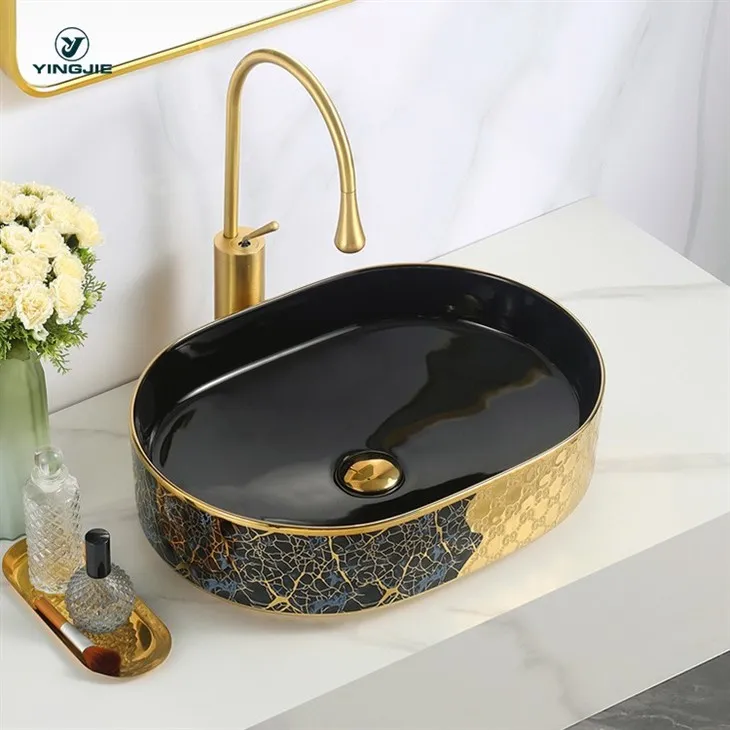
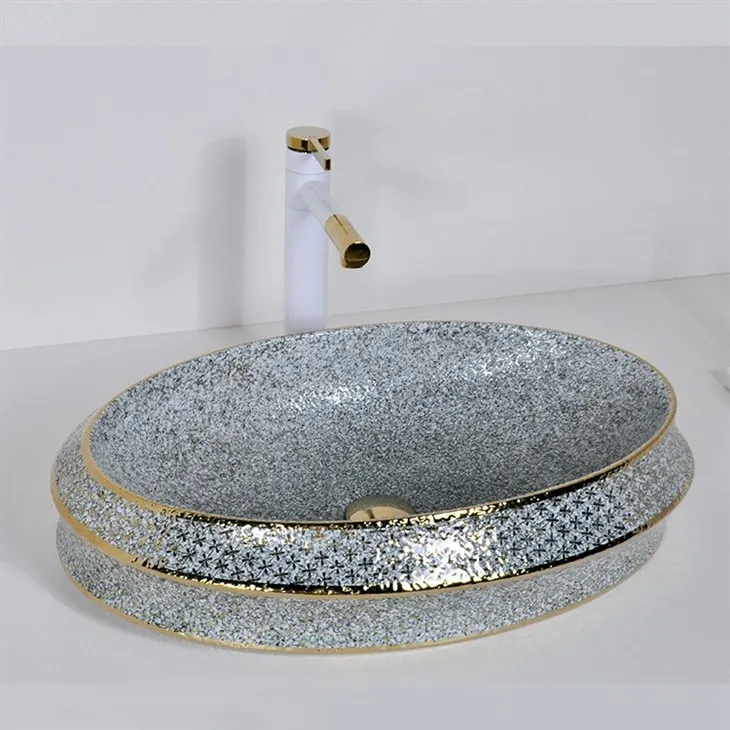
Another popular product is the China Wholesale Lavabo Gold Vanity Basin. It offers a cost - effective option for those looking to purchase gold basins in bulk. This basin is made with high - quality materials and features a modern design that is suitable for both residential and commercial use.
The Hotel Grade Electroplated Black Basin with Gold Rim is specifically designed for the hospitality industry. Its sleek and sophisticated design makes it a great choice for hotels and resorts that want to provide their guests with a luxurious experience.
The Process of Discovery in the Modern Context
In the modern world, the discovery of new gold basin designs is an ongoing process. Designers and manufacturers are constantly exploring new materials, techniques, and styles to create unique and innovative products. This involves research, experimentation, and collaboration with artists and craftsmen.
Market trends also play a significant role in the discovery of new gold basin designs. As consumers become more aware of design and quality, there is a growing demand for products that are not only functional but also aesthetically pleasing. This has led to the development of new finishes, such as electroplating and crackle glazes, which give gold basins a unique and modern look.
The Future of Gold Basins
Looking to the future, the demand for gold basins is expected to continue to grow. As the global economy develops and the middle class expands, more people will be able to afford luxury items such as gold basins. In addition, the trend towards sustainable and eco - friendly products is likely to influence the design and production of gold basins. Manufacturers may start to use recycled gold and other sustainable materials in their products.
As a supplier, I am committed to staying at the forefront of these trends. I will continue to work with designers and manufacturers to develop new and innovative gold basin products that meet the changing needs of my customers.
Contact for Procurement
If you are interested in purchasing gold basins for your home, hotel, or commercial establishment, I invite you to contact me for more information. I can provide you with detailed product specifications, pricing, and delivery options. Whether you are looking for a single piece or a large quantity, I am confident that I can meet your requirements.
References
- Bard, K. A. (2008). An Introduction to the Archaeology of Ancient Egypt. Wiley - Blackwell.
- Potts, D. T. (1999). The Archaeology of Elam: Formation and Transformation of an Ancient Iranian State. Cambridge University Press.
- Burke, P. (1997). The Italian Renaissance: Culture and Society in Italy. Princeton University Press.