

Cleaning a concealed cistern is an essential maintenance task that not only ensures the efficient operation of your toilet but also contributes to a hygienic bathroom environment. As a concealed cistern supplier, I understand the importance of proper cleaning and maintenance. In this blog post, I will guide you through the process of cleaning a concealed cistern, providing you with valuable tips and insights.
Why Clean a Concealed Cistern?
Before we delve into the cleaning process, let's first understand why it is necessary to clean a concealed cistern. Over time, sediment, limescale, and bacteria can accumulate in the cistern, which can lead to several problems. These include reduced water flow, unpleasant odors, and even damage to the cistern components. Regular cleaning helps to prevent these issues, ensuring that your toilet functions optimally and lasts longer.
Tools and Materials You Will Need
To clean a concealed cistern, you will need the following tools and materials:

- Rubber gloves
- Safety goggles
- Bucket
- Sponge or soft brush
- Mild detergent or cistern cleaner
- Vinegar (optional)
- Towel or cloth
Step-by-Step Cleaning Process
Step 1: Turn Off the Water Supply
The first step in cleaning a concealed cistern is to turn off the water supply. Locate the shut-off valve, which is usually located on the wall behind the toilet. Turn the valve clockwise to shut off the water flow to the cistern.
Step 2: Flush the Toilet
After turning off the water supply, flush the toilet to empty the cistern as much as possible. This will make it easier to clean the inside of the cistern.
Step 3: Protect Yourself
Before you start cleaning, put on rubber gloves and safety goggles to protect your hands and eyes from any chemicals or debris.
Step 4: Remove the Cistern Lid
Carefully remove the cistern lid and place it on a stable surface. Be gentle to avoid cracking or damaging the lid.
Step 5: Drain Any Remaining Water
Use a bucket to scoop out any remaining water from the cistern. You may need to repeat this step several times until the cistern is almost empty.
Step 6: Clean the Inside of the Cistern
Mix a mild detergent or cistern cleaner with water in a bucket according to the manufacturer's instructions. Dip a sponge or soft brush into the cleaning solution and gently scrub the inside of the cistern, including the walls, bottom, and corners. Pay special attention to areas with visible dirt, limescale, or stains.
If you are dealing with stubborn limescale, you can use vinegar as a natural alternative. Pour some vinegar into the cistern and let it sit for a few hours or overnight. Then, scrub the cistern with a sponge or brush to remove the limescale.
Step 7: Clean the Float and Inlet Valve
The float and inlet valve are important components of the cistern that control the water level. Use a sponge or soft brush to clean these components, removing any dirt or debris that may be affecting their operation.
Step 8: Rinse the Cistern
Once you have finished cleaning the inside of the cistern, rinse it thoroughly with clean water. Make sure to remove all traces of the cleaning solution.
Step 9: Reassemble the Cistern
After rinsing the cistern, carefully replace the float and inlet valve. Then, place the cistern lid back on the cistern and make sure it is securely in place.
Step 10: Turn On the Water Supply
Turn the shut-off valve counterclockwise to turn on the water supply to the cistern. Wait for the cistern to fill up with water. Check for any leaks around the cistern and the connections.
Step 11: Flush the Toilet
Once the cistern is full, flush the toilet to test its operation. Make sure the water level is correct and the flush is strong.
Tips for Maintaining a Clean Concealed Cistern
- Regular Cleaning: To prevent the buildup of dirt and limescale, it is recommended to clean your concealed cistern at least once every three to six months.
- Use a Cistern Cleaner: Consider using a cistern cleaner on a regular basis to keep the cistern clean and fresh. Follow the manufacturer's instructions for the best results.
- Check for Leaks: Regularly check for leaks around the cistern and the connections. A small leak can waste a significant amount of water over time.
- Avoid Using Harsh Chemicals: Harsh chemicals can damage the cistern components and cause environmental problems. Use mild detergents or natural cleaners instead.
Our Concealed Cistern Products
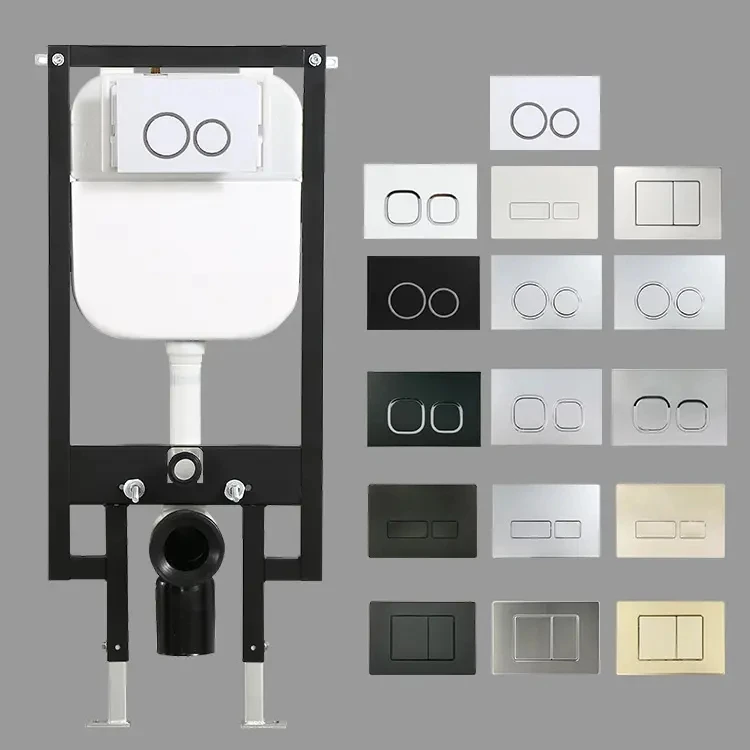
As a concealed cistern supplier, we offer a wide range of high-quality concealed cisterns to meet your needs. Our products include the CE Watermark Concealed Toilet Cistern Water Tank, Toilet Tank and Squatting Pan Concealed Cistern, and CE Watermark Europe Bathroom Water Tank. These cisterns are designed for durability, efficiency, and easy installation.
Contact Us for Procurement
If you are interested in purchasing our concealed cisterns or have any questions about cleaning and maintenance, please feel free to contact us. We are here to provide you with the best products and services.
References
- "Toilet Maintenance Guide." Plumbing Association of America.
- "Cleaning and Caring for Your Bathroom." Home Improvement Magazine.


